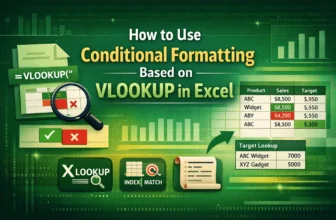
Combining Conditional Formatting with VLOOKUP function lets users dynamically highlight cells based on lookup results, making it easier to visually track matches. By using Excel’s built-in tools and ...
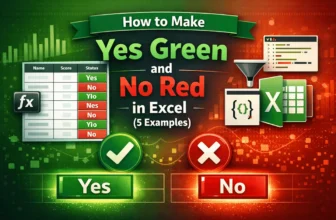
Highlighting “Yes” and “No” in Excel with different colours helps make datasets more readable and visually appealing. It is especially helpful for displaying datasets with repetitive values, where ...
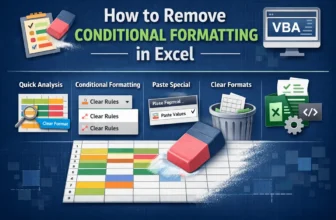
Conditional Formatting is a powerful Excel feature that highlights cells based on specific rules, making patterns and trends easier to spot. However, excessive formatting can clutter the worksheet ...
Adding a watermark in Excel is a great way to indicate confidentiality, brand your worksheets, or highlight draft documents. Watermarks can be images, logos, or text that appear subtly behind your ...
Adding footers in Excel is an important way to make your worksheets more professional and organized. Footers can include page numbers, dates, file names, or custom text, helping readers understand ...
Adding a logo to your Excel header is a professional way to brand your spreadsheets, especially when preparing reports, invoices, or company documents. By placing your logo in the header, it ...
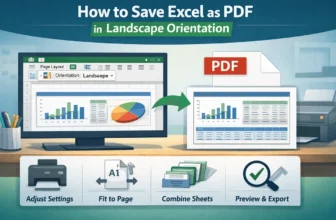
Saving Excel worksheets as PDFs is a common requirement when preparing reports, sharing dashboards, or archiving data. By default, Excel often saves sheets in portrait orientation, which can cut out ...
When working with large Excel files, size can quickly become a problem, especially if you’re sharing them via email, cloud storage, or enterprise platforms. Large files not only slow down performance ...
Managing multiple checkboxes in Excel can be time-consuming, especially when you need to select or deselect all of them one by one. However, with a simple VBA macro, you can automate this process ...