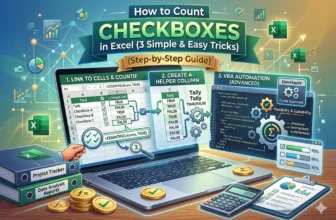
Checkboxes in Excel can make your spreadsheets more interactive, whether you're building to-do lists, attendance sheets, or tracking completed tasks. But once you’ve added these checkboxes, you might ...
If you're using Google Sheets to manage important business data, budgets, team information, or client records, it's critical to keep your spreadsheet secure. While Google Sheets doesn't allow you to ...
Working with large numbers in spreadsheets can get messy, especially when you're dealing with thousands or millions in financial reports, marketing data, or performance dashboards. Instead of ...
Adding a drop-down list in Google Sheets is a simple way to make your spreadsheet easier to use. It helps keep data clean and consistent by letting users choose from a list of preset options instead ...
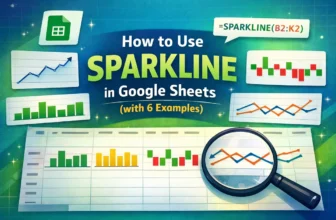
Sparklines in Google Sheets are miniature charts that fit into a single cell, providing a quick visual representation of your data. They're perfect for dashboards, trend tracking, and giving context ...
If you're organizing mail, shipping packages, or tagging products, printing labels directly from Google Sheets can save time and effort. Google Sheets doesn’t have a built-in label printing tool, but ...
Drop-down lists in Google Sheets are great for organizing data, but you can make them even more powerful by using them to update other cell values automatically. Whether you’re building a form, a ...
Our datasets in Google Sheets often contain sensitive or private information, and so, we need to hide them from certain users. To do this, you need to filter that information from the original ...
When managing data in Google Sheets, highlighting cells based on text in another cell can help you quickly identify patterns, categories, or actions required. Whether you're reviewing task statuses, ...